
Oracle Stock: The Plunge & AI Uncertainty
Oracle's $38 Billion Bet: Genius Move or Desperate Gamble?
The Oracle Paradox: Growth vs. Debt
Oracle's recent moves have investors and analysts alike scratching their heads. On the one hand, fiscal Q4 2025 showcased impressive growth: total revenue up 11% year-on-year to $15.9 billion. Cloud revenue, the key battleground, jumped 27%, with cloud infrastructure leading the charge at a blistering 52% growth. Oracle is even projecting cloud growth exceeding 40% and cloud infrastructure growth over 70% in fiscal year 2026. The remaining performance obligations (RPO) figure – a measure of future contracted revenue – is sitting pretty at $138 billion, a 41% increase.
So why the market panic? The stock has taken a beating, plunging roughly 30% in the last month. Free cash flow has cratered, hitting negative $5.9 billion. And the cost to insure against an Oracle default? It's at a two-year high. What gives?
The answer, as is often the case, lies in the details – and in the debt. Oracle is embarking on a massive data center building spree, fueled by a planned $38 billion debt offering. This comes on top of tens of billions in existing borrowing. The stated goal is to support AI and cloud infrastructure growth, especially related to their $300 billion cloud deal with OpenAI. But is this a calculated risk, or a roll of the dice?
The OpenAI Question and the Debt Burden
The market's anxiety seems rooted in two key concerns: the concentration of Oracle's cloud growth around the OpenAI deal, and the sheer scale of the debt being piled on. Let's unpack that.
While Oracle's multicloud strategy includes partnerships with Amazon, Google, and Microsoft, the OpenAI deal is undeniably the elephant in the room. If OpenAI stumbles, or if the economics of that deal shift unfavorably, Oracle's growth trajectory could be severely impacted. (It's worth noting that the specific details of the OpenAI deal remain largely confidential).
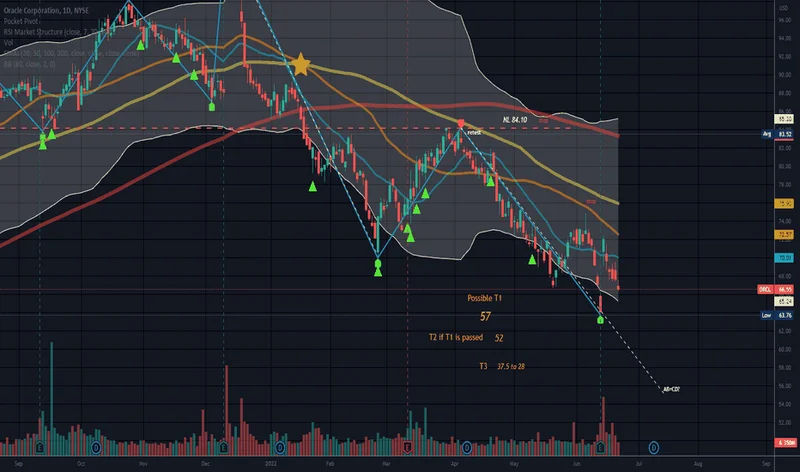
Then there's the debt. Oracle's debt-to-equity ratio is already elevated compared to industry norms. Adding another $38 billion to the pile raises legitimate questions about their ability to service that debt, especially if cloud margins remain thin. While Oracle projects impressive cloud growth, margins in this sector are notoriously competitive. Can they generate enough profit to justify this level of investment?
And this is the part of the report that I find genuinely puzzling. Why not focus on improving margins before going all-in on a massive debt-fueled expansion? Is Oracle betting that scale will solve the margin problem, or are they simply chasing growth at any cost?
The increasing cost to insure against Oracle default is a clear signal that credit markets are getting nervous. Insider sales by executives – while not necessarily indicative of a lack of confidence (executives often diversify their holdings) – certainly don't help soothe investor nerves. Oracle stock plunges 30% as heavy debt and AI uncertainty rattle markets — is ORCL’s deep slide a genuine - The Economic Times.
Some analysts argue that the market is overreacting, pointing to technical indicators suggesting the stock is oversold. They might be right. But the market's reaction reflects a fundamental unease about Oracle's financial strategy. Are they building a cloud empire, or a house of cards?
A High-Stakes Gamble
Oracle is betting big on the future of AI and cloud computing. Their $38 billion debt offering is a high-stakes gamble that could pay off handsomely – or leave them saddled with crippling debt.
The key question is whether Oracle can translate its impressive revenue growth into sustainable profitability. If they can, the current stock price decline may indeed represent a buying opportunity. If not, Oracle could find itself in a very precarious position. The analogy that comes to mind is a high-wire walker: the view might be spectacular, but the fall is a long way down.
So, Is This a Buying Opportunity or a Value Trap?
The data presents a mixed bag. Impressive growth numbers are offset by ballooning debt and market skepticism. Ultimately, Oracle's fate hinges on its ability to execute its ambitious cloud strategy and deliver on its profitability promises. For now, I'm staying on the sidelines.